Innovations in CNC Lathe Machining for Hydraulic Pistons and Spools
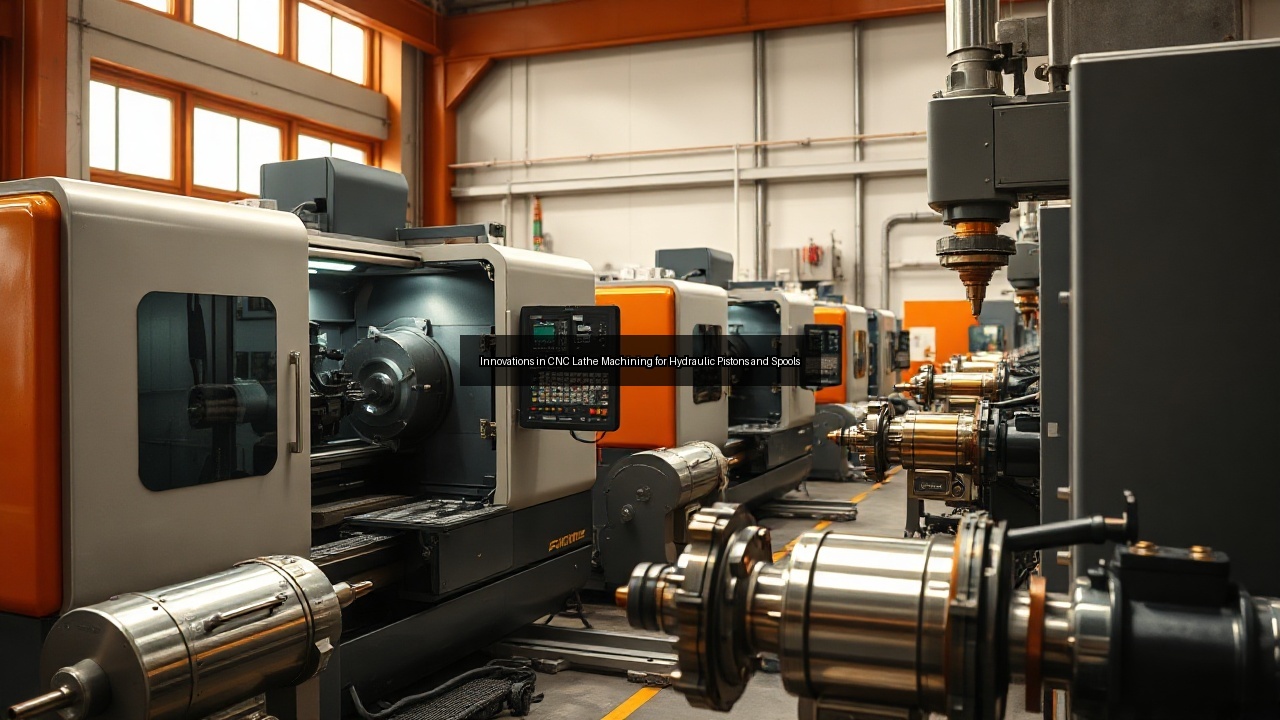
Emerging Technologies in CNC Lathe Machining for Hydraulic Components
Overview of CNC Lathe Machining
CNC lathe machining has revolutionized the manufacturing landscape, particularly for hydraulic components such as pistons and spools. This technology automates the machining process, enhancing precision and efficiency. CNC, or computer numerical control, involves programming machines to perform a series of operations with minimal human intervention. Operators input specifications into the software, allowing the CNC lathe to execute complex cuts and shapes with remarkable accuracy. The process significantly reduces waste, ensuring that manufacturers maximize their material use. Companies specializing in hydraulic component machining benefit from CNC lathe's ability to produce parts that meet stringent tolerances, whether they are simple cylindrical shapes or intricate designs. This technological advancement is crucial for industries that rely on reliable hydraulic systems, as it ensures consistency and performance across various applications.
Innovations in Automated CNC Technologies
Recent innovations in automated CNC technologies have transformed hydraulic component machining. These advancements include enhanced software algorithms that optimize machining paths, reducing cycle times and improving overall efficiency. Manufacturers now utilize advanced CNC machining centers equipped with multi-axis capabilities, allowing for the production of complex geometries in one setup. This not only minimizes the need for secondary operations but also enhances precision in machining hydraulic components. Furthermore, the integration of artificial intelligence (AI) and machine learning into CNC programming systems enables predictive maintenance, reducing downtime and increasing productivity. Companies that adopt these innovations witness a significant boost in operational efficiency, allowing them to respond swiftly to market demands while maintaining high-quality standards.
Integration of Advanced Materials in Hydraulic Component Machining
The integration of advanced materials into hydraulic component machining has expanded the possibilities for manufacturers. Traditional materials like steel and aluminum are now complemented by corrosion-resistant alloys and high-performance plastics such as PTFE. These materials enhance the durability and functionality of hydraulic systems, especially in demanding environments. For instance, the use of tool steels improves wear resistance in hydraulic components, ensuring longevity and reliability in operation. Additionally, advanced machining techniques allow manufacturers to achieve optimal machinability, even with these challenging materials. This capability not only enhances the performance of hydraulic equipment but also contributes to sustainable practices by reducing waste and energy consumption during machining processes. Companies that embrace these advanced materials set themselves apart in the competitive landscape, offering superior products for various industries.
Precision and Tolerances in Hydraulic Component Fabrication
Importance of Tolerances in Hydraulic Systems
Tolerances play a critical role in the performance and reliability of hydraulic systems. Hydraulic components must fit together with precision to ensure proper function and prevent leaks. Even minor deviations can lead to significant failures, impacting system efficiency. Manufacturers of hydraulic components, therefore, prioritize tight tolerances in their machining processes. CNC lathe machining allows for the production of parts that adhere to strict specifications, meeting industry standards such as ISO 9001. These standards ensure that every machined component, whether it’s a piston or a spool, performs reliably under pressure. Achieving precise tolerances also reduces the need for rework, which not only saves time and costs but also minimizes material waste. Companies that prioritize precision in their hydraulic component fabrication build a reputation for quality and reliability in their respective industries.
Techniques for Achieving High Precision in Machining
Achieving high precision in hydraulic component machining involves various techniques and practices. One effective method is the use of high-quality cutting tools specifically designed for machining tough materials. Tool selection impacts the finish and accuracy of the machined parts. Additionally, employing advanced CNC lathe machines with high-resolution encoders ensures that cuts are made with extreme accuracy, reducing the likelihood of errors. Regular calibration of machining equipment further enhances precision, allowing manufacturers to maintain quality over time. Techniques such as multi-axis machining also contribute to achieving high precision, as they permit complex shapes to be cut in a single setup, minimizing alignment errors. Quality assurance processes, including inspection and testing of finished components, help ensure that the hydraulic parts meet the required tolerances, thus reinforcing the integrity of hydraulic systems.
Quality Assurance Standards in Hydraulic Component Manufacturing
Quality assurance standards in hydraulic component manufacturing are essential for ensuring reliability and performance. Many manufacturers implement ISO 9001 standards, which outline a framework for effective quality management systems. This certification signifies that a company consistently meets customer and regulatory requirements. In hydraulic component machining, rigorous quality checks are vital. These checks often include dimensional inspections, pressure testing, and non-destructive testing methods to verify the integrity of the components. Such practices not only reduce the risk of failures in hydraulic systems but also enhance customer satisfaction. Companies that adhere to stringent quality assurance protocols distinguish themselves in the marketplace, building trust with clients across various sectors, including aerospace, automotive, and marine applications.
Applications of CNC Machining in Various Industries
Aerospace and Automotive Applications
CNC machining plays a pivotal role in the aerospace and automotive industries, particularly in the production of hydraulic components. Aerospace applications demand the utmost precision and reliability, where hydraulic systems control critical functions such as landing gear and flight control surfaces. Manufacturers utilize CNC lathe machining to create intricate components that meet stringent aerospace standards. Similarly, the automotive industry relies on hydraulic systems for braking, steering, and transmission functions. CNC machined hydraulic components, including pistons and spools, ensure that vehicles operate safely and efficiently. The ability to produce lightweight yet durable parts using advanced materials contributes to fuel efficiency and performance in both sectors. As these industries evolve, the demand for innovative CNC machining solutions continues to grow, driving manufacturers to enhance their capabilities and stay ahead of the competition.
Hydraulic Equipment in Construction and Agriculture
Hydraulic equipment is a cornerstone of modern construction and agriculture, with CNC machining providing the necessary precision for critical components. In construction, hydraulic systems power machinery such as excavators, backhoes, and bulldozers, where reliability is paramount. The manufacturing of hydraulic cylinders, pumps, and valves through CNC lathe machining ensures that these machines operate efficiently under demanding conditions. Similarly, the agricultural sector relies on hydraulic systems in tractors, harvesters, and other machinery, where performance directly impacts productivity. Manufacturers focus on producing high-quality hydraulic components that withstand wear and corrosion, contributing to the longevity of the equipment. The incorporation of automated CNC technologies has further enhanced efficiency, enabling manufacturers to meet the high demands of these industries while minimizing waste.
Marine Applications and Fluid Dynamics Considerations
In the marine industry, hydraulic systems play a crucial role in various applications, including steering systems, winches, and lifting equipment. CNC machining of hydraulic components must consider fluid dynamics to ensure optimal performance in aquatic environments. Manufacturers focus on producing components that not only meet precision tolerances but also exhibit resistance to corrosion and wear due to exposure to saltwater and other harsh conditions. Advanced materials, such as corrosion-resistant alloys and specially treated plastics, are often employed in the machining of these components. The design of hydraulic systems in marine applications must account for fluid behavior, ensuring that components function effectively under varying pressure and flow conditions. This attention to detail in hydraulic component machining supports the reliability and safety of marine operations, from commercial shipping to recreational boating.