Common Mistakes When Using Ceramic Weld Backing and How to Avoid Them
Understanding Ceramic Weld Backing and Its Importance
What is Ceramic Weld Backing?
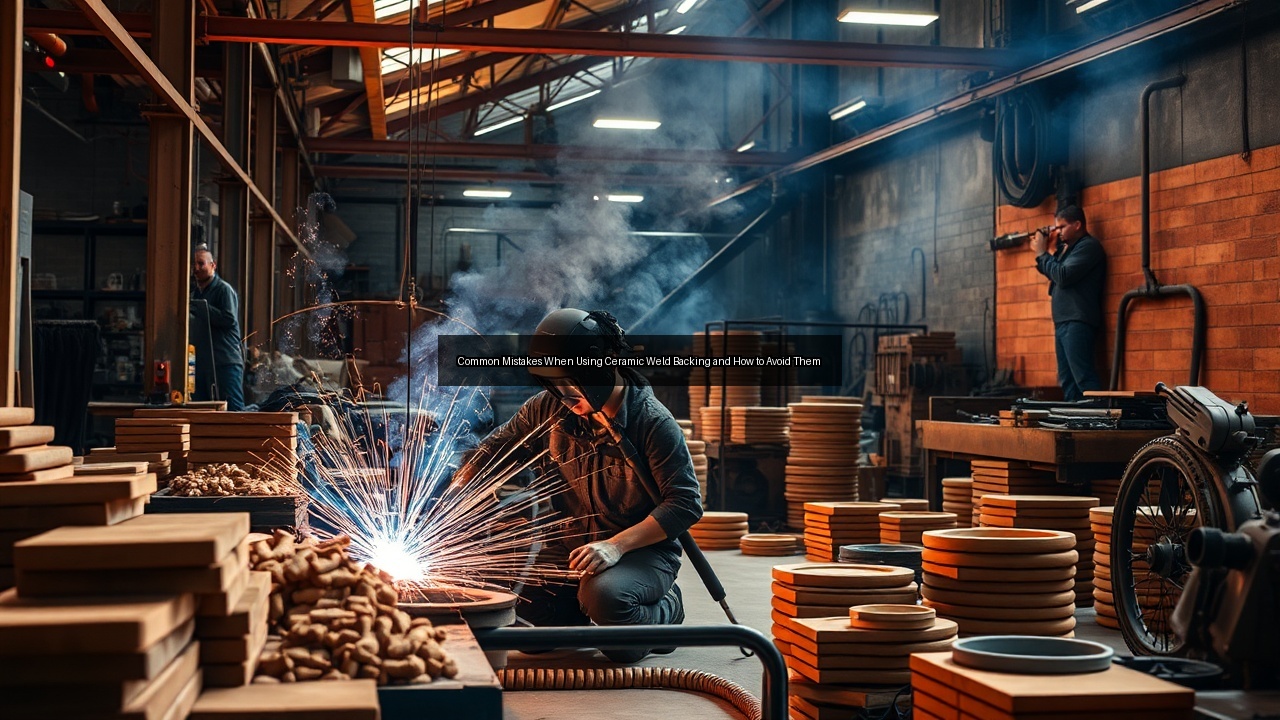
Ceramic weld backing serves as a crucial component in the welding process, particularly in applications requiring high-quality welds. It consists of materials such as ceramics or clay, designed to absorb heat and provide support during welding. This backing helps prevent the formation of defects in the weld pool by controlling the heat input and promoting a stable environment for the molten metal. Welders often use ceramic backing strips or tape to enhance the weld's integrity, ensuring that the final product meets the necessary quality standards. The application of ceramic backing allows for cleaner, more precise welds, reducing the need for post-weld cleaning and rework.
Benefits of Using Ceramic Weld Backing in Welding
Utilizing ceramic weld backing offers several significant advantages. First, it contributes to improved weld quality by minimizing distortion and warping during the cooling process. The thermal insulation properties of ceramics keep the weld pool stable, allowing for more controlled cooling rates. This results in stronger, more durable welds that resist cracking and other defects. Additionally, ceramic backing aids in reducing spatter and contamination, which can compromise the integrity of the weld. Welders who use ceramic materials often find that they can achieve consistent results, even in challenging welding scenarios. The time saved on cleanup and rework further enhances productivity on the job site.
Common Applications of Ceramic Weld Backing
Ceramic weld backing finds extensive use across various industries. In shipbuilding, it plays a pivotal role in ensuring the structural integrity of hulls and other components. The energy sector frequently employs ceramic backing in the construction of pipelines and power generation equipment, where strong welds are essential for safety and efficiency. Manufacturing sectors, including automotive and aerospace, also benefit from the use of ceramic weld backing to achieve high-performance welds that adhere to stringent quality standards. Additionally, companies like ESAB and Gullco International produce specialized ceramic backing products tailored to specific welding techniques, such as TIG and MIG welding. This versatility makes ceramic weld backing an indispensable tool for professional welders.
Common Mistakes When Using Ceramic Weld Backing
Inadequate Surface Preparation
One of the most frequent mistakes welders make when using ceramic weld backing involves inadequate surface preparation. Properly preparing the metal surfaces before applying ceramic backing is crucial. Any contaminants, such as rust, oil, or dirt, can compromise the effectiveness of the backing material. When welders skip this step, they increase the likelihood of defects in the weld. A clean, smooth surface ensures better adhesion of the ceramic backing, allowing it to perform its intended function effectively. Additionally, ensuring the ceramic backing strips or tape lay flat against the metal will improve the contact area, leading to superior thermal management during the welding process. Taking the time to clean and prepare surfaces can dramatically enhance the quality of the final weld.
Incorrect Placement of Ceramic Backing Strips
Incorrect placement of ceramic backing strips represents another common pitfall. Welders must align the strips accurately to support the weld pool effectively. Misalignment can lead to uneven heat distribution, resulting in weak welds or excessive distortion. Placement also depends on the welding technique used; for instance, TIG welding may require different backing strip arrangements than MIG welding. Welders should carefully consider the orientation and spacing of the ceramic backing, ensuring that the strips conform to the weld joint's geometry. Consulting manufacturer guidelines and employing best practices can prevent these errors, ultimately leading to a more robust and reliable weld.
Neglecting Material Compatibility
Material compatibility is a critical factor in welding that often gets overlooked. Different types of metals require specific considerations when selecting ceramic weld backing. For instance, using ceramic backing designed for aluminum might not yield the same results when welding stainless steel. It's essential to match the ceramic backing's properties with the metal being welded to ensure optimal performance. Welders need to be familiar with the characteristics of both the ceramic materials ceramic backing tape and the metals involved. This knowledge helps prevent issues like poor adhesion, excessive spatter, or even weld failures. Investing time in understanding material compatibility will lead to superior welding outcomes.
Overheating and Its Effects on Ceramics
Overheating during the welding process can have detrimental effects on ceramic materials. High temperatures can cause ceramics to crack or degrade, compromising their structural integrity. This is particularly relevant in processes that generate excessive heat, such as TIG welding with high amperage. Welders must monitor temperature levels closely and adjust their parameters accordingly to prevent damaging the ceramic backing. Employing the correct gas flow, such as argon or a gas mix, can help maintain stable temperatures and protect the backing. Understanding the thermal limits of ceramic materials is vital for achieving the best welding results while preserving the effectiveness of the backing.
How to Avoid Mistakes with Ceramic Weld Backing
Best Practices for Surface Preparation
Effective surface preparation lays the foundation for successful welding with ceramic weld backing. Start by thoroughly cleaning the metal surfaces to remove all contaminants. Using solvents, wire brushes, or abrasive pads can help achieve a clean surface. After cleaning, inspect the area to ensure no residues remain. Next, ensure the surface is dry and free from moisture, which can lead to poor adhesion. Additionally, consider lightly roughing the surface with a grinder or sandpaper to enhance the bonding area for the ceramic backing. Following these best practices will not only improve the adhesion of the backing but also contribute to the overall quality of the weld.
Proper Techniques for Applying Ceramic Backing
Applying ceramic backing correctly requires attention to detail and technique. Begin by cutting the ceramic backing strips to the appropriate length, ensuring they fit the joint configuration. Position the strips carefully along the weld line, making sure they lie flat and have full contact with the surface. Use adhesive or a suitable bonding agent if necessary to secure the strips in place. Once positioned, double-check the alignment before commencing with the welding process. The goal is to create a uniform backing that supports the weld pool effectively. Following proper application techniques will help prevent common mistakes and lead to high-quality welds.
Selecting the Right Welding Rod and Techniques
Choosing the right welding rod and techniques can significantly impact the effectiveness of ceramic weld backing. When selecting a welding rod, consider the material being welded and the specific requirements of the joint. Different rods have varying properties, such as melting point and chemical composition, which can affect the weld quality. Using rods that complement the ceramic backing will enhance the overall weld performance. Furthermore, adapt your welding technique based on the type of backing used. For instance, adjusting the travel speed and arc length can help maintain the ideal temperature and minimize overheating. This careful selection process contributes to stronger, more reliable welds.
Monitoring Temperature and Gas Flow During Welding
Maintaining optimal temperature and gas flow during welding is essential for preserving the integrity of ceramic weld backing. Monitor the welding parameters closely, adjusting the amperage and voltage as needed to prevent overheating. Consistent gas flow is equally important; ensure that shielding gas, such as argon, is applied evenly to protect the weld pool from atmospheric contamination. The right gas coverage helps maintain a stable environment for the weld, reducing the risk of defects. Regularly check the equipment and settings to ensure they align with the specifications for the materials being welded. This vigilant approach will lead to superior results and extend the life of ceramic weld backing.
Conclusion: Enhancing Welding Quality with Proper Use of Ceramic Weld Backing
Summary of Key Points
Understanding and properly utilizing ceramic weld backing is vital for achieving high-quality welds. Common mistakes, such as inadequate surface preparation, incorrect placement, neglecting material compatibility, and overheating, can diminish the effectiveness of this essential component. By adopting best practices for surface preparation, ensuring correct application techniques, selecting the appropriate welding rod, and monitoring temperature and gas flow, welders can avoid these pitfalls. The benefits of using ceramic backing extend beyond the immediate welding process, leading to stronger, more reliable welds and reduced rework.
Future Trends in Ceramic Weld Backing Technology
As welding technology evolves, innovations in ceramic weld backing materials and techniques are on the horizon. Future advancements may include the development of more heat-resistant ceramics and improved formulations that enhance adhesion and performance. Companies like ESAB and Gullco International are likely to lead these innovations, integrating modern materials science with practical welding applications. Additionally, the increasing focus on sustainability may drive the creation of eco-friendly ceramic materials that maintain performance while reducing environmental impact. Staying abreast of these trends will empower welders to adopt cutting-edge practices that enhance both quality and efficiency in their work.
See Also
- Unlocking the Power of Ceramic Weld Backing for Superior Welds
- The Science Behind Ceramic Weld Backing and Its Impact on Welding
- Ceramic Weld Backing and Its Compatibility with Various Welding Rods
- The Interplay Between Ceramic Weld Backing and Welding Techniques
- Why Every Welder Needs to Consider Ceramic Weld Backing