Designing with Wire Forming Understanding Material Properties and Performance
Introduction to Wire Forming
Overview of Wire Forming
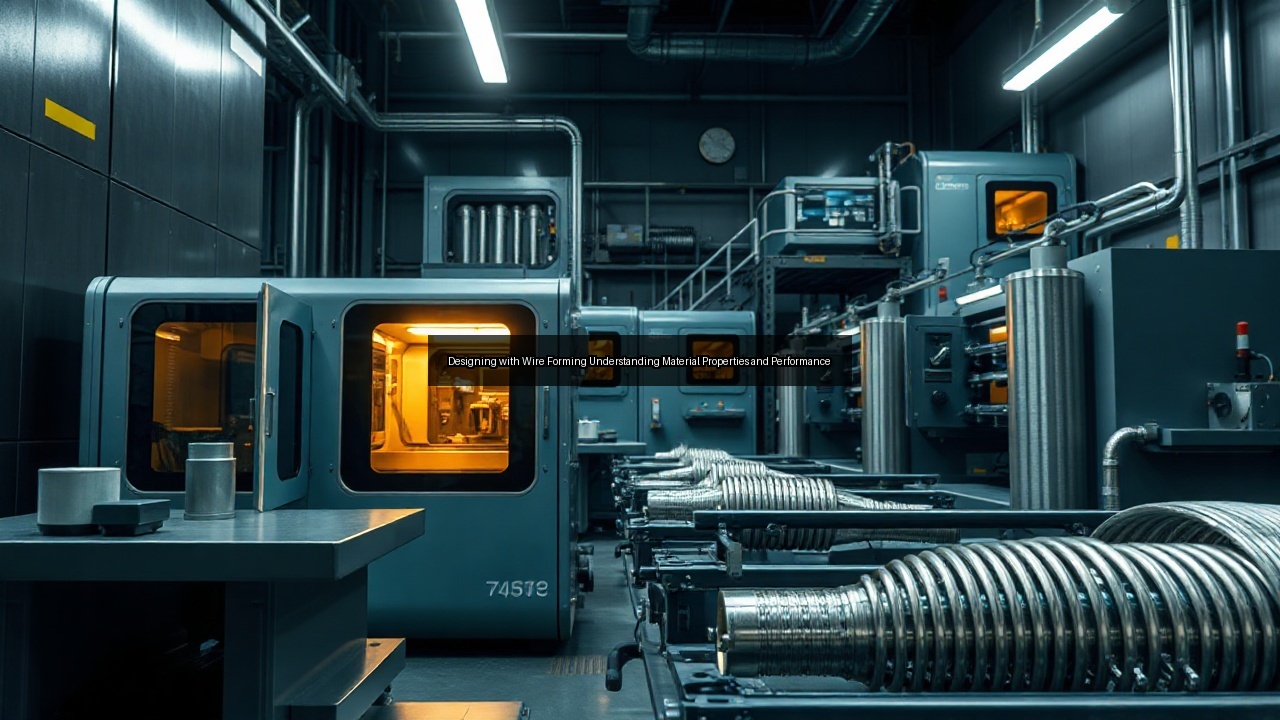
Wire forming is a critical manufacturing process that shapes wire into various configurations and forms. This technique involves bending, twisting, and cutting wires to create components used across numerous industries, including automotive, aerospace, and electronics. The versatility of wire forming allows manufacturers to produce intricate designs, from simple hooks to complex shapes like coil springs and brackets. With advancements in technology, the wire forming process has evolved to incorporate automated methods, enhancing precision and efficiency.
Importance of Material Properties in Wire Forming
Material properties significantly influence the wire forming process and the performance of the final product. Factors such as tensile strength, ductility, and corrosion resistance determine how well a material can withstand the stresses of shaping and its subsequent application. Engineers must carefully select materials that meet the specific requirements of their designs. For instance, stainless steel offers exceptional strength and resistance to corrosion, making it ideal for applications where durability is paramount. Understanding these material properties ensures that manufacturers can produce wire forms that fulfill both functional and aesthetic standards.
Understanding Material Properties
Types of Materials Used in Wire Forming
Wire forming utilizes a variety of materials, each offering unique characteristics suited for specific applications. Common materials include stainless steel, carbon steel, aluminum, and brass. Stainless steel wire stands out for its corrosion resistance and strength, making it ideal for outdoor applications or environments with moisture. Carbon steel offers high tensile strength and is often used in automotive applications. Aluminum is lightweight and exhibits excellent conductivity, making it suitable for electrical applications. Brass combines strength and aesthetic appeal, often used in decorative components. Each material's properties dictate its suitability for different wire forming processes and end products.
Impact of Diameter on Wire Performance
The diameter of wire plays a crucial role in its performance and the wire forming process. A wire's diameter affects its strength, flexibility, and ability to be shaped. Thicker wires generally provide higher strength but are less flexible, making them suitable for load-bearing applications. Conversely, thinner wires offer greater flexibility and can be formed into intricate shapes, but they may not withstand heavy loads. Engineers often consider the required tolerances and final application when determining the appropriate diameter for wire forming. Adjusting the diameter can lead to significant changes in the wire's performance, necessitating careful consideration during the design phase.
Stainless Steel vs. Other Metals in Wire Forming
Stainless steel has become a preferred choice in wire forming due to its unique properties compared to other metals. Unlike carbon steel, stainless steel resists rust and corrosion, making it ideal for harsh environments. This durability extends the lifespan of wire forms and reduces maintenance costs. While other metals like aluminum and brass are lighter and easier to shape, they may not provide the same level of strength and corrosion resistance as stainless steel. When designing wire forms, engineers must weigh these factors to select the most appropriate material, balancing performance, cost, and application requirements.
Wire Forming Processes and Techniques
Common Wire Forming Methods
Wire forming encompasses various methods, each tailored to achieve specific shapes and tolerances. Techniques such as bending, coiling, and twisting are fundamental to the wire forming process. Bending forms wire into angles and curves, while coiling produces circular shapes, often used in springs. Twisting allows for the creation of complex forms, such as threaded wires used in fasteners. Each method presents its challenges, requiring skilled operators and precise machinery to ensure high-quality output. Manufacturers often use a combination of these methods to create wire forms that meet the unique specifications of their projects.
The Role of Computer Numerical Control in Wire Forming
Computer Numerical Control (CNC) technology has transformed wire forming processes by enhancing precision and efficiency. CNC machines automate the movement and shaping of wires, allowing for consistent production of complex designs. Operators input specifications into the CNC system, which then translates these into precise movements of the machines. This automation reduces human error and significantly increases production speed. CNC technology also enables manufacturers to create intricate wire forms that would be challenging to produce manually. The integration of CNC in wire forming not only improves accuracy but also enhances the ability to prototype wire forms quickly, facilitating innovation in design.
Tolerances and Their Importance in Engineering
Tolerances refer wire formed to the allowable variations in dimensions and shapes during the wire forming process. These measurements are critical in engineering, as even minor deviations can impact the performance and fit of wire forms in their intended applications. Tight tolerances ensure that components fit together correctly, which is especially crucial in industries like aerospace and automotive, where safety is paramount. Engineers must define tolerances clearly during the design phase to guide the manufacturing process and ensure the final product meets specifications. Understanding the relationship between tolerances and wire forming capabilities allows for better design and production outcomes.
Applications and Innovations in Wire Forming
Wire Forming in Aerospace Engineering
Aerospace engineering relies heavily on wire forming to produce components that are both lightweight and strong. Applications include everything from structural supports to intricate wiring systems in aircraft. The aerospace industry demands high-performance materials that can withstand extreme conditions, making stainless steel and specialized alloys popular choices. Wire forms must meet stringent safety standards and tolerances, ensuring reliability in critical applications. Innovations in wire forming technology, such as advanced CNC machinery and new material formulations, continue to drive improvements in aerospace component design and manufacturing, enhancing overall performance and safety.
Prototyping Wire Forms for Custom Applications
Prototyping plays a vital role in wire forming, allowing engineers to test designs before full-scale production. Rapid prototyping techniques enable manufacturers to create initial wire forms quickly, facilitating design iterations and adjustments. This process helps identify potential issues early, reducing costs associated with modifications during mass production. Custom applications often require unique wire shapes and configurations, making prototyping essential for ensuring that the final product meets the required specifications. Access to advanced materials and wire forming techniques enhances the ability to prototype efficiently, fostering innovation across various industries.
Future Trends in Wire Forming Technologies
The future of wire forming technologies looks promising, driven by advancements in materials science and manufacturing processes. Emerging trends include the integration of automation and artificial intelligence in production, which can optimize wire forming operations and reduce lead times. Additionally, the exploration of new materials, such as advanced composites and high-strength alloys, will expand the capabilities of wire forms, enabling even more innovative applications. Sustainability also plays a crucial role in future developments, with a growing emphasis on eco-friendly materials and energy-efficient manufacturing processes. These trends will shape the wire forming landscape, offering new opportunities for engineers and manufacturers alike.