Electric Motor Repair Costs What Factors Should You Consider
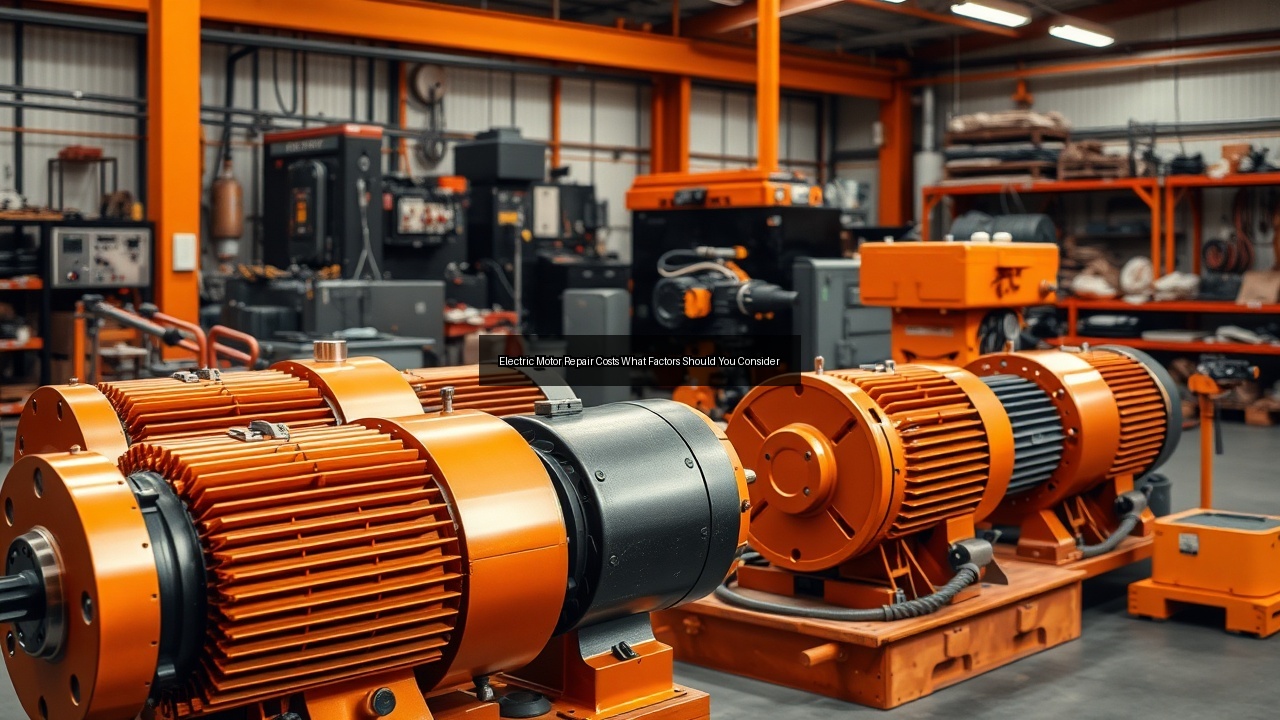
Understanding Electric Motor Repair Costs
Factors Influencing Repair Costs
Electric motor repair costs can vary significantly based on several key factors. First, the type of motor plays a crucial role. Induction motors, synchronous motors, and brushless DC motors each have unique designs and repair needs, which directly influence pricing. Additionally, the extent of the damage affects costs. A minor issue like a worn bearing will typically incur lower expenses than a severe failure requiring extensive replacement of components like the rotor or stator.
Labor rates also contribute to overall costs. Repair shops with specialized expertise in electric motor repair may charge higher fees, but this often translates to better quality work and faster service. The geographical location of the repair service can impact costs as well; urban areas with higher living costs may feature elevated service prices. Parts availability is another factor. If a specific component is rare or requires custom manufacturing, customers may face increased expenses and longer wait times. Understanding these factors can help in budgeting for repairs and making informed decisions about motor maintenance.
Common Issues Leading to Repairs
Electric motors encounter a variety of issues that necessitate repairs. Overheating often ranks as a leading cause of failure in electric motors. Factors like inadequate ventilation, high ambient temperatures, or excessive load can lead to overheating, damaging insulation and potentially causing rotor or stator failure. Other common issues include electrical faults, such as short circuits or ground faults, which can stem from insulation breakdown or contamination. These faults often require immediate attention to prevent further damage.
Worn bearings are another frequent source of problems, leading to increased friction and noise within the motor. If left unchecked, this can cause severe damage to the rotor or stator. Additionally, improper voltage supply, whether too high or too low, can stress motor components and lead to premature failure. Understanding these issues can help users identify early warning signs and act swiftly, potentially reducing repair costs and extending motor lifespan.
The Role of Motor Components in Repair Pricing
The various components of electric motors significantly influence repair pricing. Key parts such as the rotor and stator are often at the forefront of repair discussions. Damage to these components usually results in higher repair costs due to the complexity of the repairs involved. For instance, rewinding the stator involves labor-intensive work and specialized knowledge, driving up prices. In contrast, replacing minor components like capacitors or fuses typically incurs lower charges.
Varnish insulation (VPI) plays a crucial role in protecting motor components. If the insulation is compromised, repairs may require a complete re-insulation process, significantly increasing costs. Furthermore, the use of variable frequency drives (VFD) can impact repair needs. VFDs optimize motor efficiency but can also introduce complications in motor function, necessitating specialized repair approaches. Ultimately, understanding the importance of these components in pricing aids in preparing for potential costs associated with electric motor repairs.
Evaluating Repair Options
Comparing Repair Services and Costs
Selecting the right repair service is essential to managing electric motor repair costs effectively. Start by comparing multiple repair shops, considering their expertise, turnaround time, and customer reviews. Not all repair services are created equal; some may specialize in specific types of motors, while others offer a broader range of services. It's wise to request quotes from several providers and inquire about what those costs encompass, including labor, parts, and any additional fees.
Consider the benefits of locally-owned versus larger corporate repair services. Smaller shops may offer personalized service and faster response times, while larger companies might have access to more advanced equipment and a wider inventory of parts. Additionally, look for certifications or affiliations that demonstrate a shop's commitment to quality and safety standards. The best choice balances cost, reliability, and the ability to address specific motor issues effectively.
DIY Repairs vs. Professional Services
When facing electric motor issues, one must decide between DIY repairs and professional services. DIY repairs can save money, particularly for minor issues. Many motor components are accessible and can be replaced with basic tools and knowledge. However, potential pitfalls exist. Lack of expertise can lead to improper repairs that worsen the situation or compromise safety. Furthermore, certain repairs require specialized knowledge and tools, making professional service the safer and more reliable option.
For those considering DIY, thorough research is essential. Online tutorials and forums can provide valuable insights. However, weigh the potential savings against the risk of additional costs if the repair fails. For complex issues, such as internal damage or electrical faults, professional services often prove more effective. Ultimately, the decision should prioritize safety, reliability, and the long-term functionality of the electric motor.
The Importance of Warranty Coverage
Warranty coverage significantly impacts electric motor repair costs. Many electric motors come with manufacturer warranties that cover specific types of failures or defects, reducing out-of-pocket expenses for repairs. Understanding the terms of the warranty is crucial; some warranties require specific maintenance practices or using authorized repair services to remain valid. Failure to adhere to these conditions may result in the warranty being voided, leading to full responsibility for repair costs.
In cases where the warranty is still active, customers should promptly contact the manufacturer or authorized service provider to address issues. This proactive approach can minimize repair expenses significantly. Additionally, consider purchasing extended warranties or service plans for higher-cost motors. These options can provide peace of mind, especially in high-use environments like HVAC systems. Overall, understanding and utilizing warranty coverage can be a pivotal factor in managing electric motor repair costs effectively.
Enhancing Motor Longevity and Efficiency
Preventive vs. Predictive Maintenance
Effective maintenance strategies play a crucial role in enhancing the longevity and efficiency of electric motors. Preventive maintenance involves regular inspections and scheduled servicing to identify potential issues before they escalate. This approach typically includes routine lubrication, checking electrical connections, and monitoring operating conditions. Implementing a preventive maintenance schedule can significantly reduce the likelihood of unexpected failures and associated repair costs.
On the other hand, predictive maintenance leverages advanced technologies, such as sensors and data analytics, to monitor motor performance in real-time. This proactive approach identifies issues based on actual operating conditions, allowing repairs to be made precisely when needed. Predictive maintenance often results in more efficient use of resources and less downtime. Investing in predictive maintenance technologies can drive significant savings over time by extending motor life and improving overall efficiency.
Impact of Contamination on Repair Needs
Contamination poses a significant threat to the performance and longevity of electric motors. Dust, moisture, and other foreign materials can infiltrate motor components, leading to insulation breakdown, bearing wear, and overheating. Such conditions often necessitate costly repairs or even complete motor replacement. Regular maintenance practices, including cleaning and environmental controls, can mitigate these risks and prolong motor life.
Implementing protective measures, such as proper sealing and filtration systems, helps prevent contamination from damaging sensitive components. In environments where exposure to contaminants is high, consider installing additional safeguards or selecting motors designed specifically for harsh conditions. By addressing contamination proactively, users can reduce the frequency and severity of repairs, ultimately managing electric motor repair costs more effectively.
Using Infrared Sensors for Early Detection
Infrared sensors provide a powerful tool for early detection of potential issues in electric motors. These sensors monitor temperature variations in motor components, identifying overheating conditions that may signal impending failure. By detecting these anomalies early, maintenance teams can intervene before minor issues escalate into costly repairs or failures. The integration of infrared technology into maintenance routines enhances overall system reliability and efficiency.
Using infrared sensors complements both preventive and predictive maintenance strategies. Regular thermal imaging inspections can reveal hot spots that indicate friction, electrical faults, or insulation breakdown. This proactive monitoring allows for timely repairs, reducing both downtime and repair costs. As industries continue to prioritize energy efficiency and operational reliability, the adoption of infrared technology stands out as a critical component in maintaining electric motors effectively.
Budgeting for Electric Motor Repairs
Estimating Costs for Different Motor Types
Budgeting for electric motor repairs requires a comprehensive understanding of the costs associated with various motor types. Different motors have unique repair needs, with induction and synchronous motors generally being easier and less expensive to repair than their specialized counterparts, such as servo motors or large industrial motors. When estimating costs, consider factors such as the motor's power rating, complexity, and the availability of replacement parts.
Additionally, maintenance history plays a crucial role in determining future repair costs. Motors that have undergone consistent maintenance tend to incur lower repair costs over time, while those with a history of neglect may face more significant expenses due to accumulated damage. A proactive budgeting approach allows for setting aside funds for regular maintenance and unexpected repairs, ultimately leading to better financial management and less stress when issues arise.
The Cost-Benefit of Upgrading to Energy-Efficient Motors
Upgrading to energy-efficient motors represents a strategic investment with significant long-term savings potential. While the initial costs may be higher, energy-efficient motors consume less electricity, leading to reduced operating costs. Additionally, these motors often require less frequent repairs and maintenance, translating into further savings over time. Evaluating the cost-benefit of an upgrade involves considering both immediate expenses and potential long-term savings.
Energy-efficient motors also enhance overall system performance, contributing to improved operational efficiency. Many industries are moving towards energy-efficient solutions due to increasing energy costs and regulatory compliance. Investing in high-efficiency motors can not only reduce electric motor repair costs but also contribute to sustainability goals and lower environmental impact. Thus, the decision to upgrade should factor in both financial and ecological considerations.
Planning for Unexpected Failures and Repairs
Unexpected failures in electric motors can disrupt operations and lead to costly repairs. Therefore, planning for such occurrences is essential for effective budgeting. Establishing a contingency fund specifically for motor repairs can alleviate financial strain when urgent repairs arise. This fund should consider the average repair costs and the typical frequency of repairs for the specific motor types in use.
Additionally, maintaining an inventory of commonly needed spare parts can minimize downtime during repairs. By having essential components readily available, businesses can address issues quickly, ensuring operational continuity. Regular assessment of motor condition and performance can also aid in anticipating potential failures, allowing for proactive planning. Taking these steps can help organizations navigate the uncertainties associated with electric motor repairs while managing costs effectively.