Understanding the Laser Cutting Process in Five Axis Applications
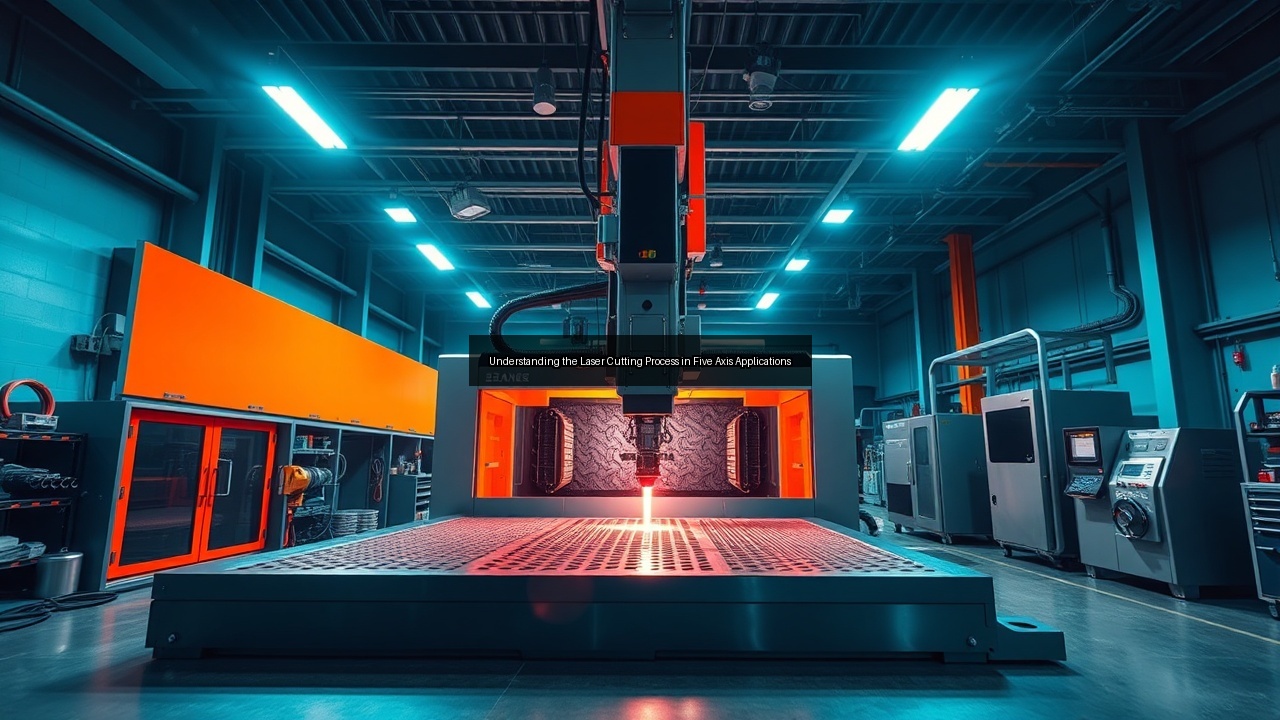
Introduction to 5 Axis Laser Cutting
Overview of Laser Cutting Technology
Laser cutting https://www.metalcraftspinning.com/5-axis-laser-cutting/ technology delivers precise cuts by focusing intense beams of light onto materials such as steel, aluminum, and other metals. Operators direct the laser through optics that concentrate energy into a narrow kerf, melting or vaporizing the target while an assist gas clears molten debris. This approach produces clean edges without secondary finishing in most cases. Five axis laser cutting extends these capabilities by allowing the cutting head to tilt and rotate simultaneously with linear movements. Fabricators achieve complex contours on three-dimensional parts in a single setup, eliminating multiple fixtures and repositioning steps. The laser cutting process maintains consistent quality across curved surfaces and angled features that flat-bed systems cannot reach. Metal fabrication shops adopt this method to shorten lead times and reduce material handling. Laser cutting services now handle prototypes and production runs with equal efficiency. Engineers specify exact tolerances that laser cutters meet repeatedly because the beam width stays constant regardless of part orientation. Integration with automated loading systems further boosts throughput in high-volume environments.
Importance of Five Axis in Metal Fabrication
Five axis laser cutting transforms metal fabrication by granting access to angles and undercuts that three-axis machines require multiple setups to produce. Shops process tubular components, stamped brackets, and HVAC duct transitions without manual intervention. The additional rotary axes let the laser follow programmed paths that maintain perpendicularity to the surface at every point. This precision reduces scrap rates and improves fit-up during assembly. Companies offering 5 axis laser cutting services report faster turnaround on custom enclosures and structural brackets. Fabricators combine the technology with existing cnc machining cells to create hybrid workflows that finish laser-cut blanks on mills only when threads or pockets become necessary. The method supports thicker gauges than many expect, provided operators select the correct laser power and gas mixture. Metal fabrication teams value the repeatability because each part exits the machine with identical edge quality. Five axis configurations also minimize distortion on thin sheets by limiting heat input through optimized travel speeds. Overall, the process elevates design freedom while preserving structural integrity.
The Laser Cutting Process Explained
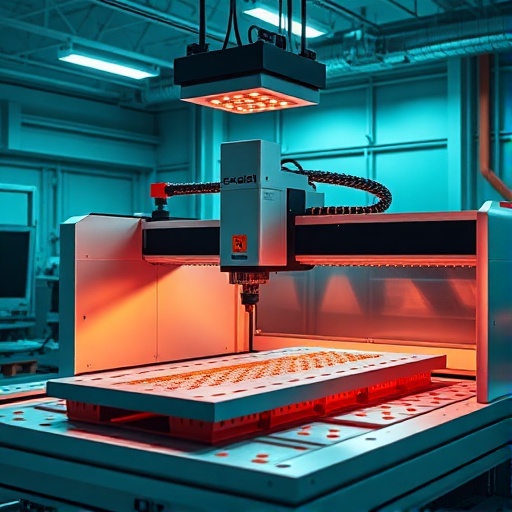
How Laser Cut Works
A laser cut begins when the beam source generates coherent light that travels through a delivery system to the cutting head. The head focuses the energy onto the workpiece while the machine controller synchronizes five-axis motion. Material absorbs the beam, reaching vaporization temperature almost instantly. Assist gas, typically nitrogen or oxygen, exits the nozzle coaxially to eject molten metal and protect the optics. Operators program toolpaths that account for beam diameter and kerf width so the final geometry matches the CAD model exactly. Five axis laser cutting allows continuous cutting on compound curves without stopping to reorient the part. The process maintains edge squareness even when the head tilts beyond 45 degrees. Real-time monitoring systems adjust power and speed to compensate for variations in material thickness. Laser cutting services document every parameter so production lots remain consistent. Fabricators verify cut quality through first-article inspection before releasing the job to downstream stamping or welding stations.
Components of a Laser Cutter
Every laser cutter contains a resonator that produces the beam, a beam delivery path, and a multi-axis gantry or robotic arm. In five axis laser cutting equipment, two rotary axes mount on the cutting head while three linear axes move the part or the entire assembly. High-pressure gas lines feed the nozzle, and chillers maintain resonator temperature. The controller runs CAM-generated code that coordinates all five axes at high speed. Safety enclosures with interlocked doors protect operators from stray radiation. Automated nozzle changers and lens cleaning stations reduce downtime between material changes. Metal fabrication facilities integrate these machines with material storage towers that feed sheets directly onto the cutting bed. Laser cutting technology benefits from linear motors that deliver rapid acceleration without backlash. Sensors detect piercing completion and switch to cutting mode automatically. Regular calibration of the rotary axes ensures the beam stays centered on the programmed path throughout complex maneuvers.
Types of Lasers Used in Fabrication
Fabricators choose between CO2 and fiber lasers depending on material type and thickness. CO2 lasers excel at cutting non-metallic materials and thicker mild steel when paired with oxygen assist. Fiber lasers deliver higher electrical efficiency and faster cutting speeds on reflective metals such as aluminum and copper. In five axis laser cutting applications, fiber sources dominate because their compact design fits easily on tilting heads. Both types produce narrow kerfs that minimize heat-affected zones. Shops offering laser cutting services maintain multiple resonators to match each job with the most economical source. Diode-pumped solid-state lasers appear in specialized equipment for fine-feature work on thin gauges. Operators adjust pulse frequency and duty cycle to optimize edge quality on stainless steel and galvanized sheet. The choice of laser directly influences operating costs and achievable tolerances in metal fabrication environments.
Applications of 5 Axis Laser Cutting
Industries Utilizing Laser Cutting Services
Automotive suppliers rely on 5 axis laser cutting to produce exhaust components and chassis brackets with compound angles. Aerospace manufacturers cut titanium and Inconel panels that require precise three-dimensional profiles. HVAC contractors order laser-cut transitions and elbows that assemble without gaps. Agricultural equipment builders use the process for complex guard and frame parts. Laser cutting services also support architectural metalwork where decorative screens feature intricate curved patterns. Medical device companies request small-batch runs of instrument trays and enclosures. The flexibility of five axis motion reduces the need for expensive stamping dies on low-volume projects. Fabricators deliver finished parts ready for powder coating or plating. Industries appreciate the ability to iterate designs quickly because program changes require only software edits rather than new tooling.
Advantages of 5 Axis Laser Cutting in HVAC
HVAC fabricators gain significant advantages when they apply five axis laser cutting to ductwork and fittings. The process produces accurate mitered joints and curved transitions that fit together on-site without field adjustments. Laser-cut holes for dampers and sensors maintain consistent diameters even on round or oval ducts. Reduced handling lowers the risk of damage to finished surfaces. Five axis laser cutting services allow shops to nest multiple fitting patterns on a single sheet, improving material utilization. The clean edges require no deburring before welding or sealing. HVAC teams shorten installation time because parts arrive with correct geometry. Laser cutting technology also supports rapid prototyping of new diffuser designs. Overall, the method improves both shop efficiency and field performance in commercial and industrial ventilation projects.
Role in Stamping and CNC Machining
Stamping operations incorporate 5 axis laser cutting for trim and pierce operations on preformed parts. The laser removes excess material and adds features after the press cycle, eliminating secondary fixtures. CNC machining centers receive laser-cut blanks that already contain complex contours, reducing milling time. Hybrid cells combine laser cutting with subsequent machining of mounting holes or threads. Metal fabrication workflows benefit because laser cutting handles the majority of the profile while cnc machining addresses only localized details. Five axis laser cutting services often precede stamping when low volumes do not justify dedicated dies. Programmers import the same CAD data into both CAM systems, ensuring alignment between operations. This integration streamlines production of brackets, enclosures, and structural components.
Software and Engineering in 5 Axis Laser Cutting
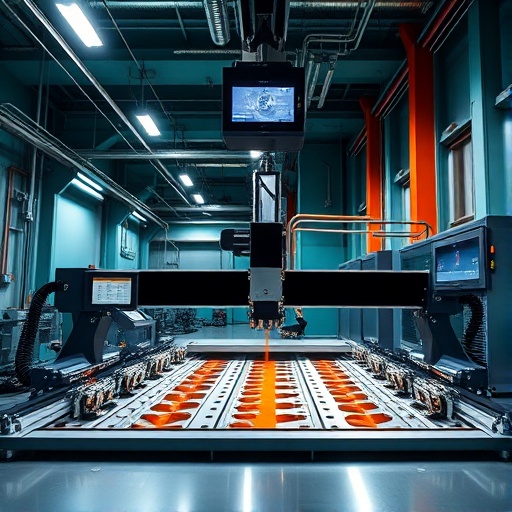
CAM Software for Laser Cutting
CAM software translates three-dimensional models into five-axis toolpaths that account for head orientation and collision avoidance. Programmers define lead-in and lead-out moves, kerf compensation, and nesting strategies within the same platform. Simulation features verify that rotary axes remain within machine limits before the job reaches the shop floor. Modern packages import native CAD files and automatically detect bend lines or flanges that require special cutting sequences. Laser cutting services depend on these tools to generate efficient code that maximizes machine utilization. Engineers adjust parameters such as power ramping and gas pressure directly in the software. Version control ensures every revision stays traceable. Five axis laser cutting programs often include post-processors tailored to specific machine controllers, eliminating manual edits on the shop floor.
Integration of Engineering and Laser Cutting Technology
Engineering teams collaborate with laser cutting operators to optimize part designs for the process. They specify material grades, thicknesses, and tolerance zones that align with laser capabilities. Finite element analysis validates that laser-cut features will not compromise structural performance. Design for manufacturability reviews identify opportunities to combine multiple components into single laser-cut pieces. Five axis laser cutting reduces the number of weld joints and fasteners in final assemblies. Documentation packages include setup sheets and inspection criteria generated directly from the CAM files. This seamless data flow between engineering and production shortens development cycles in metal fabrication projects. Continuous feedback from the shop floor refines future designs and improves overall process reliability.
Future Trends and Innovations in Laser Cutting
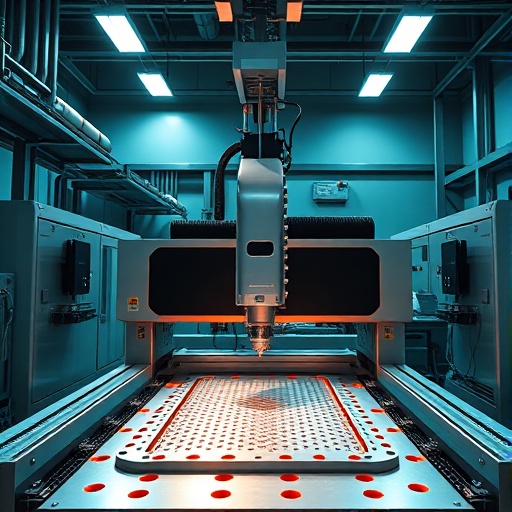
Emerging Technologies in Laser Cutting Equipment
Manufacturers introduce higher-power fiber lasers and improved beam quality that increase cutting speeds on thick materials. Robotic five axis laser cutting cells now feature collaborative safety systems that allow human operators to work alongside automated loading. Adaptive optics adjust focal length in real time to maintain optimal spot size across varying part heights. Machine vision systems detect material distortion and compensate toolpaths automatically. Laser cutting equipment increasingly incorporates IoT connectivity that tracks consumable life and schedules maintenance before failures occur. These advances expand the range of applications for 5 axis laser cutting services in demanding industries.
Sustainability and Efficiency in Laser Cutting Services
Laser cutting services pursue sustainability through energy-efficient resonators and optimized nesting that reduces scrap. Nitrogen generation systems on-site lower gas costs and transportation emissions. Water-cooled chillers with variable-speed pumps cut electricity consumption during idle periods. Fabricators recycle metal slugs and dross collected during the laser cutting process. Five axis laser cutting minimizes the number of setups, which in turn reduces handling energy and floor space requirements. Continuous improvement programs track kilowatt-hours per part and set targets for further reduction. These practices help metal fabrication companies meet environmental regulations while maintaining competitive pricing for customers.
See Also
- Unlocking Precision with 5 Axis Laser Cutting in Modern Manufacturing
- The Art of Laser Cutting Metals with 5 Axis Laser Technology
- The Future of Metal Fabrication is Here with 5 Axis Laser Cutting
- Exploring the Benefits of 5 Axis Laser Cutting Services for Engineers
- Choosing the Right 5 Axis Laser Cutter for Your Business Needs